
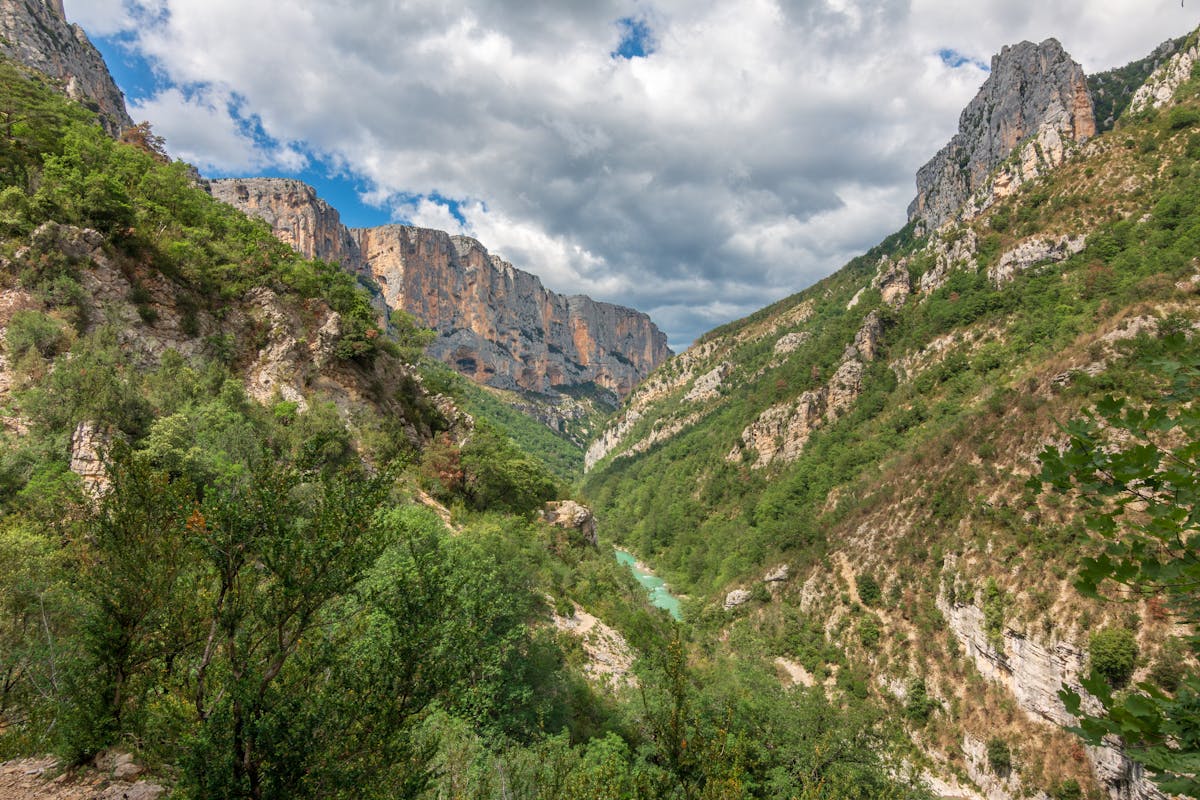
The canyon was not fully explored until 1905, when a French speleologist named Edouard-Alfred Martel and a local schoolteacher called Isidore Blanc spent three days navigating the river. Before their expedition, locals treated the gorge as somewhere between cursed and bottomless. Nobody went down there on purpose.
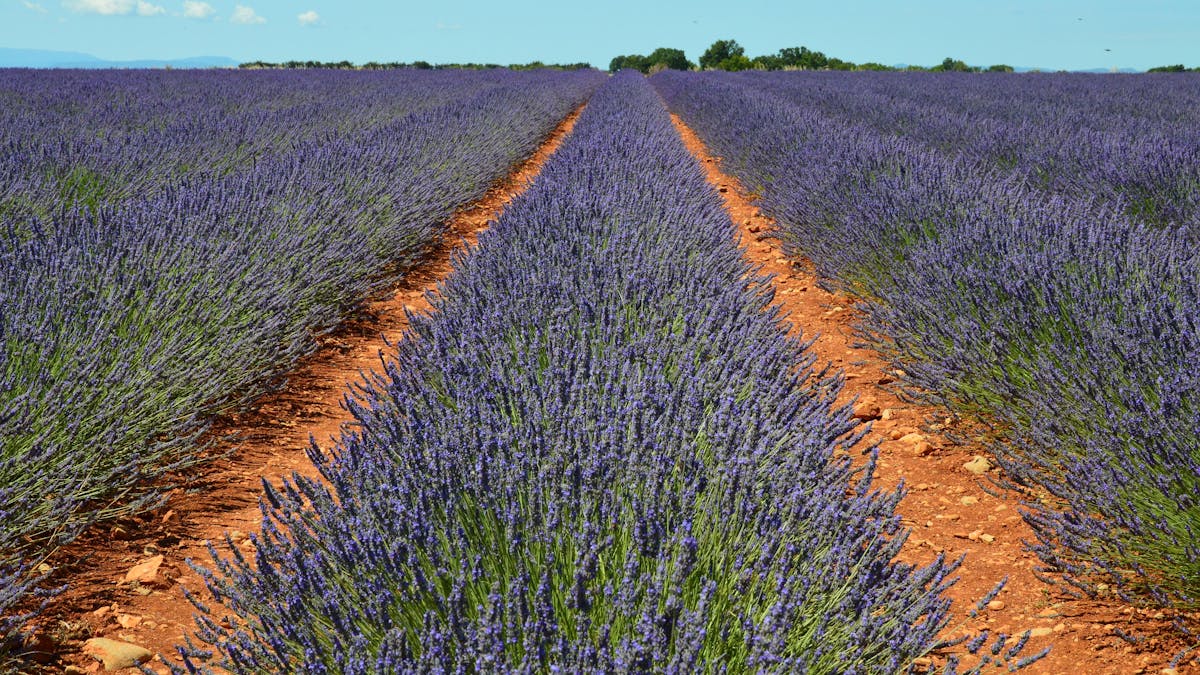
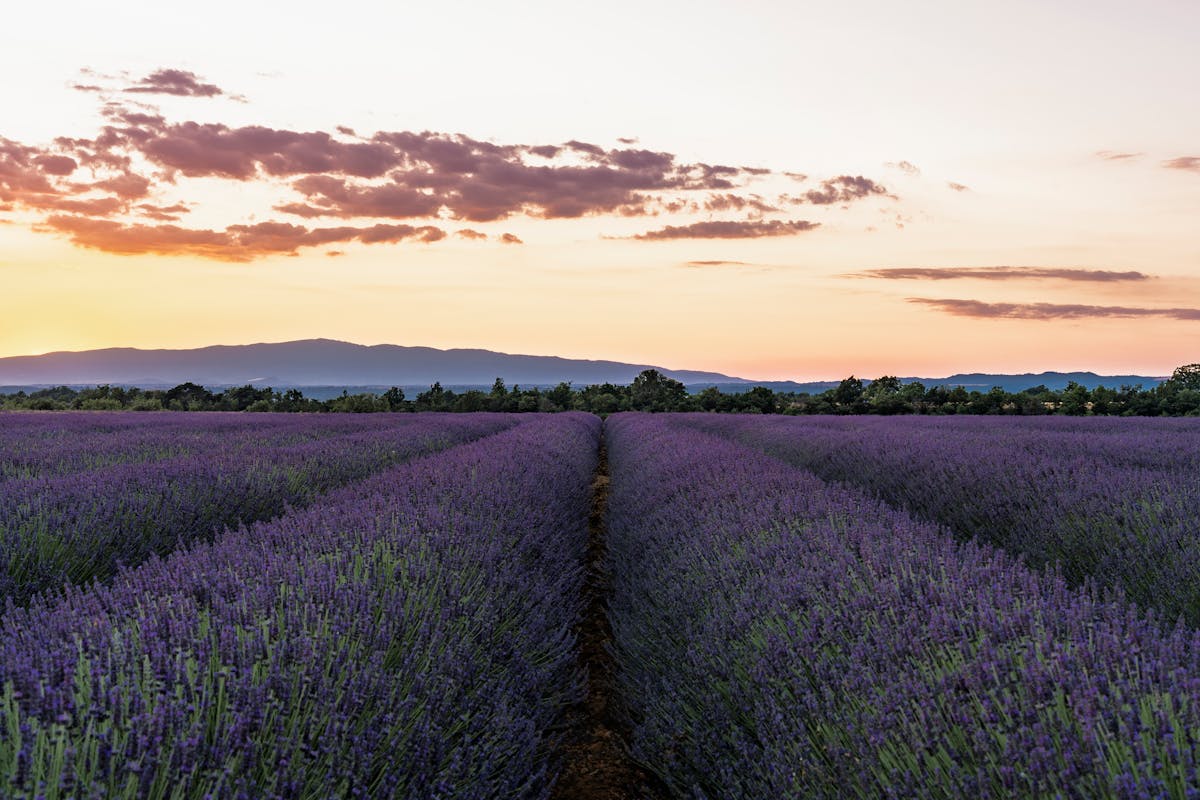
Then there are the lavender fields. The Valensole Plateau sits about 45 minutes from the gorge, and from late June through mid-August it turns into the purple landscape you have seen on every Provence postcard ever printed. Lavender cultivation here goes back to the Romans, who used it for bathing — the word itself comes from the Latin “lavare,” meaning to wash. Provence still produces roughly 80% of France’s lavender, and the honey from Valensole bees costs around 20 euros for a small jar that disappears faster than you expect.
Both destinations sit roughly two to three hours northwest of Nice by road, which makes them a natural day trip. The drive alone is worth it — the Route Napoleon through the foothills of the Alps is one of those roads where you keep pulling over to take photos you will never post because they do not capture the scale.
In a Hurry? Our Top 3 Picks
Gorges of Verdon and Lavender Fields Tour — The full package. Nine hours covering the canyon, Moustiers-Sainte-Marie, Lac de Sainte-Croix, and the Valensole lavender fields. From $129 per person. The one most people should book.
Gorges du Verdon Shared Tour — Focused on the gorge itself with stops at the Route des Cretes viewpoints and the lake. Nine hours. From $151 per person. Better if lavender is not your priority.
Gorges du Verdon Guided Tour — Small group with more personal attention from the guide. Ten hours. From $163 per person. The premium pick.
- In a Hurry? Our Top 3 Picks
- Getting from Nice to the Gorges du Verdon
- What You Will Actually See at the Gorge
- Lac de Sainte-Croix and Kayaking the Gorge
- The Lavender Fields of Valensole
- Moustiers-Sainte-Marie — The Village with a Star
- The Best Gorges du Verdon Tours from Nice
- 1. Gorges of Verdon and Fields of Lavender Tour — 9
- 2. Gorges du Verdon Shared Tour from Nice — 1
- 3. Gorges du Verdon Guided Tour — 3
- 4. Verdon Gorge Full-Day Tour — 7
- 5. Canoe and Kayak Rental in the Gorges du Verdon —
- When to Visit the Gorges du Verdon and Lavender Fields
- Practical Tips That Will Save You Time
- A Canyon That Stayed Hidden for Centuries
- More from the South of France
Getting from Nice to the Gorges du Verdon
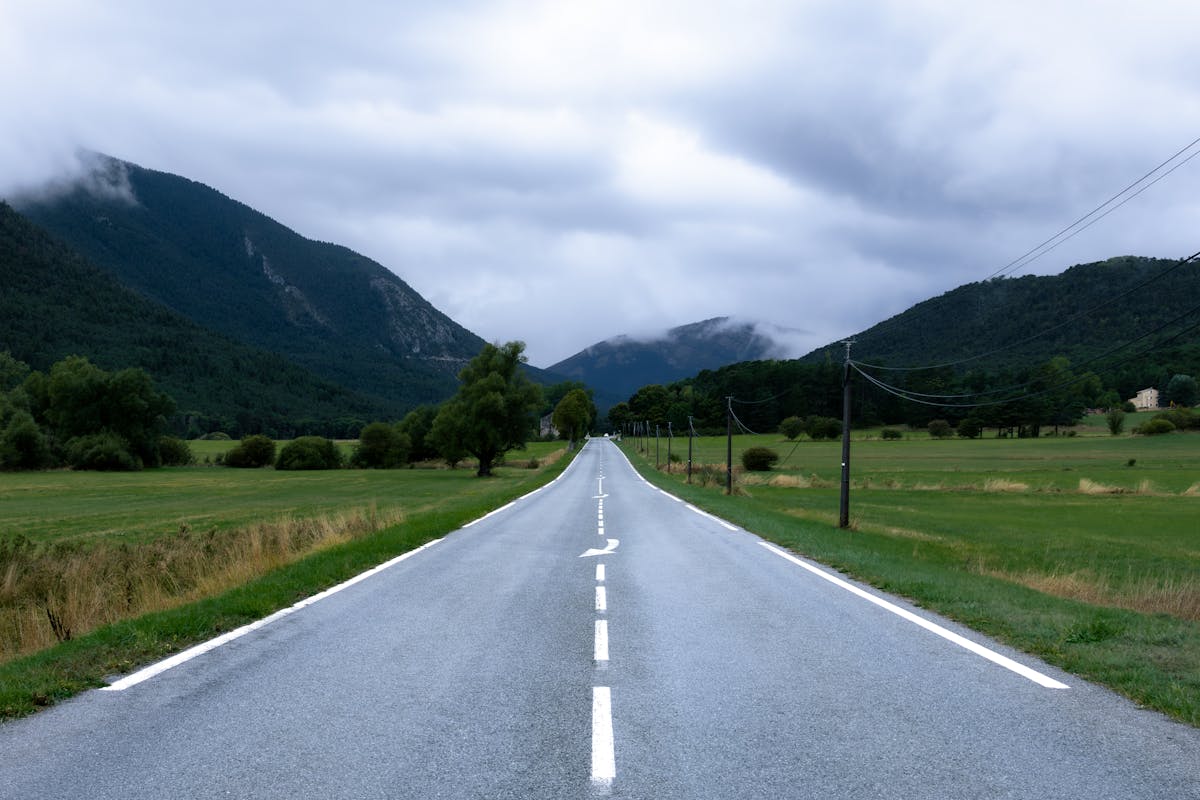
By car: Take the A8 motorway west toward Aix-en-Provence, then branch north at Draguignan on the D955 toward Castellane. The whole drive takes about two and a half hours without stops. Coming back via the Valensole Plateau adds maybe 30 minutes but is worth it for the scenery alone. Parking is free at most viewpoints but limited at popular spots like the Point Sublime and the Lac de Sainte-Croix beach area. In July and August, arrive before 10am or expect to circle.
By guided tour from Nice: This is how most visitors do it, and honestly it makes sense. The roads are twisting enough that a first-time driver spends more time gripping the steering wheel than looking at the views. Tours handle the driving, know where to stop, and cover both the gorge and the lavender in a single day. Most depart around 8am and return by 6pm. Pickup is usually near the Promenade des Anglais or Place Massena.
By public transport: Technically possible but painful. The LER 31 bus runs from Nice to Castellane at the eastern end of the gorge, but it runs only twice daily in summer and once daily the rest of the year. From Castellane you would need another bus or hitchhike to the major viewpoints. I would not recommend it unless you enjoy logistical puzzles.
What You Will Actually See at the Gorge
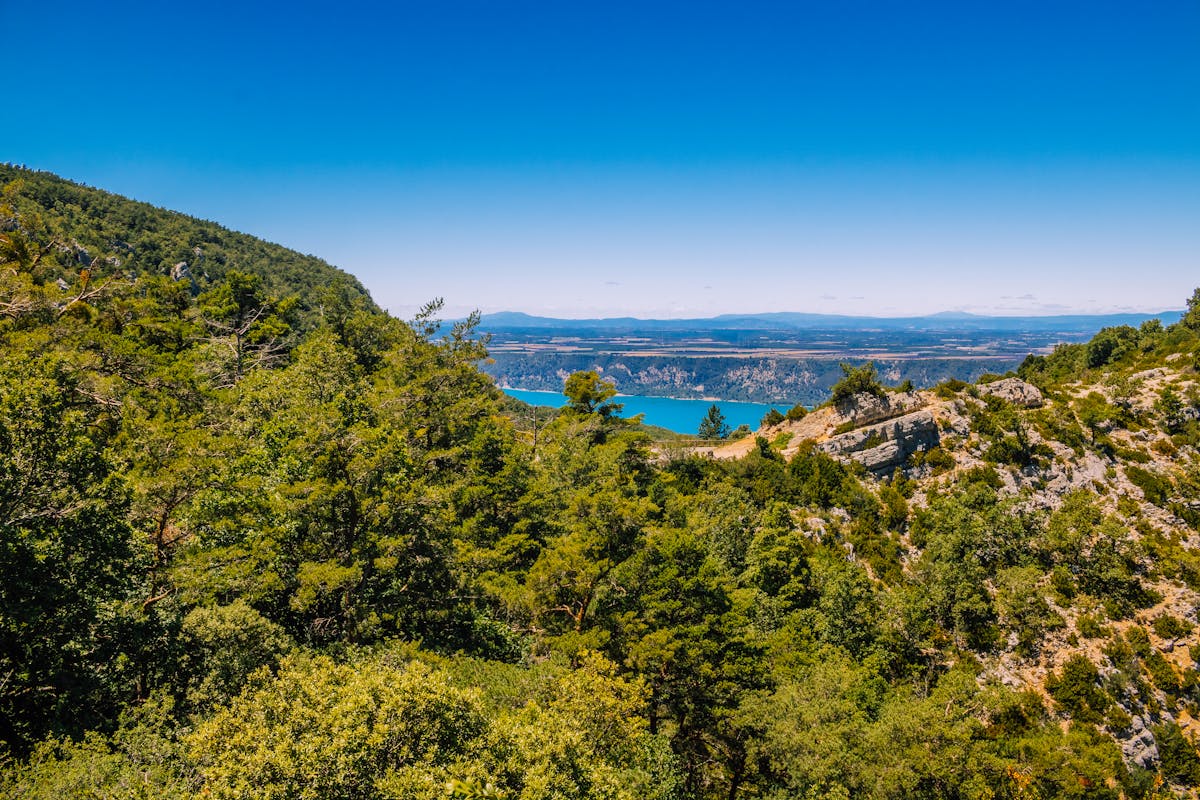
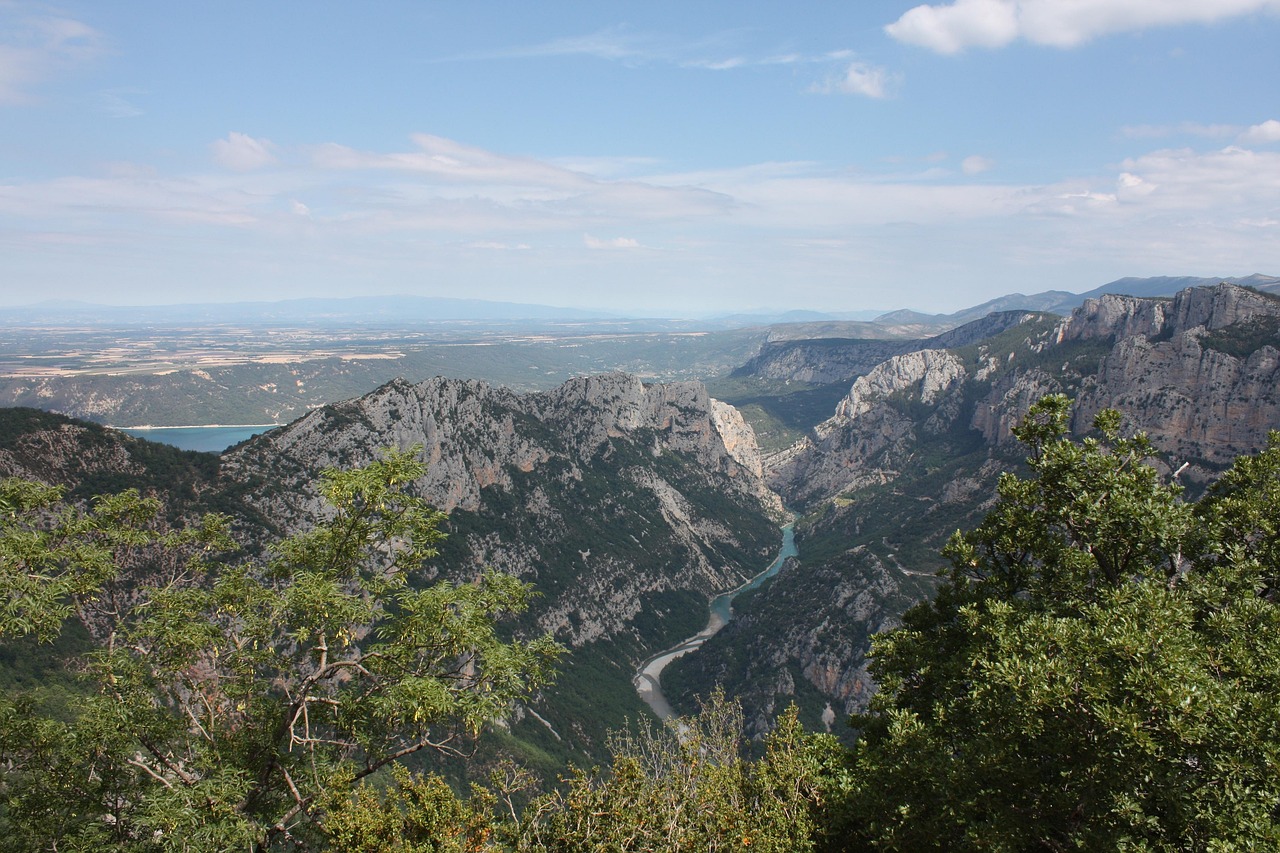
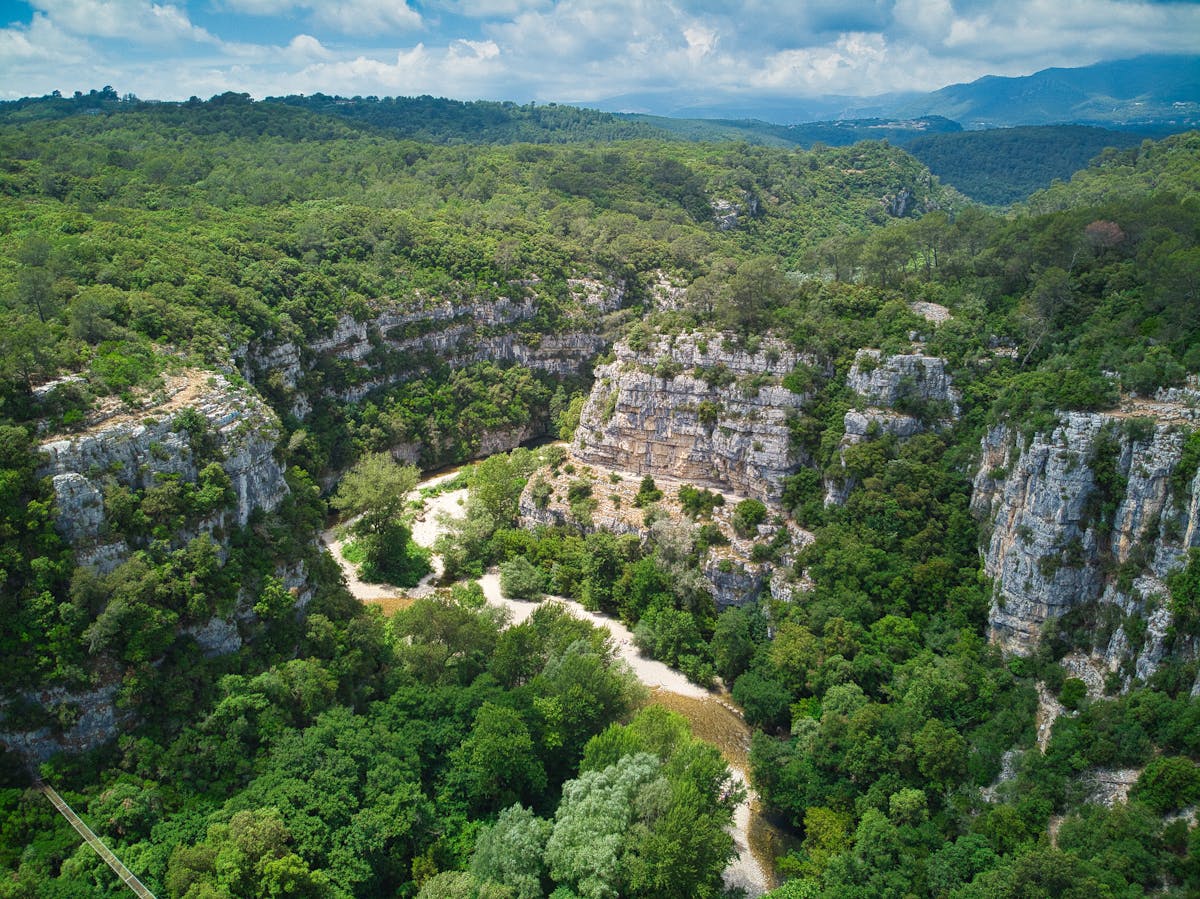
The Route des Cretes (D23) runs along the south rim and has 14 marked viewpoints (called “belvederes”) with pullover spots. This is the more dramatic road — some of the viewpoints hang directly over the void with nothing but a low stone wall between you and a very long fall. The Balcons de la Mescla, where the Verdon and Artuby rivers meet, is particularly impressive. Most guided tours from Nice drive at least part of this route.
The Corniche Sublime (D71) follows the north rim and offers broader panoramic views. Less vertigo-inducing, more “wow, that is a big canyon.” The Pont de l’Artuby, a bridge that spans 182 metres over the river, is along this route — it is also where people bungee jump, if that is your idea of fun.
Point Sublime at the eastern entrance is the classic viewpoint. From here you can see the entire gorge opening up below you, with the river disappearing into the narrow passage. There is a hiking trail (the Sentier Martel) that descends from here to the river level, but it takes about six hours round trip and involves ladders, tunnels, and river crossings. Not a casual stroll.
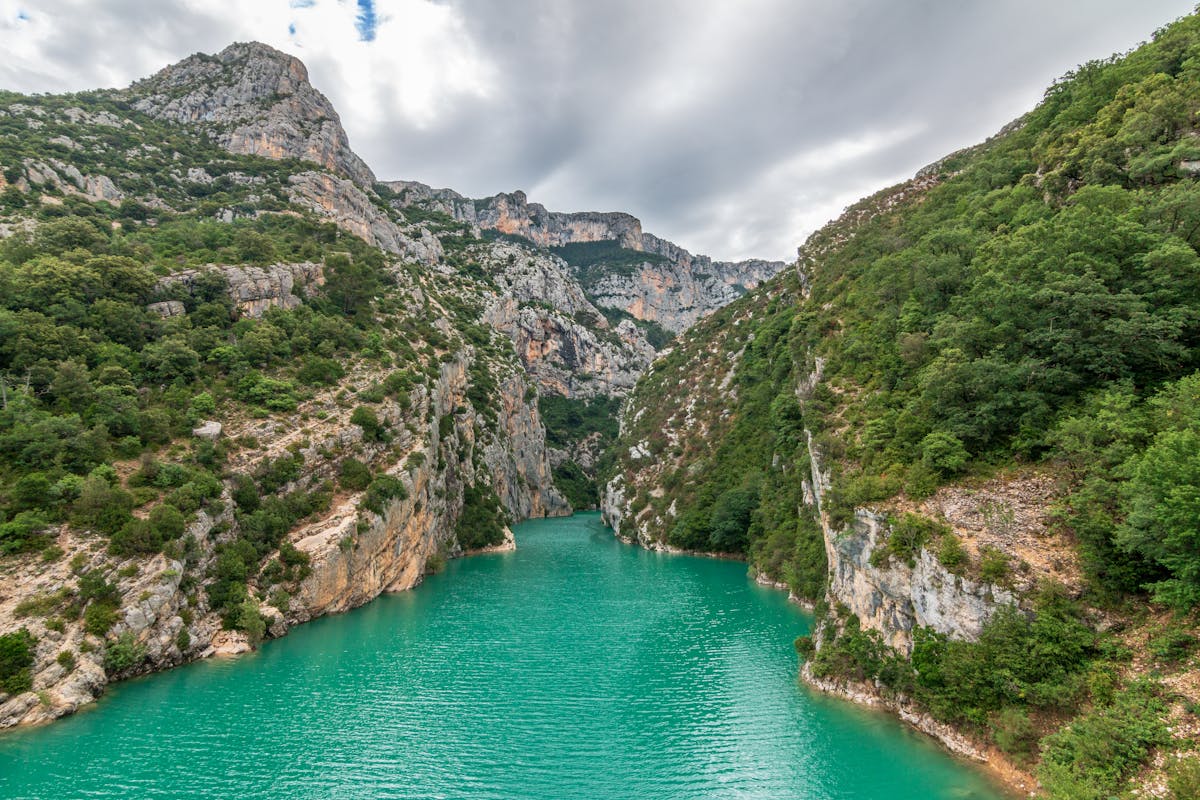
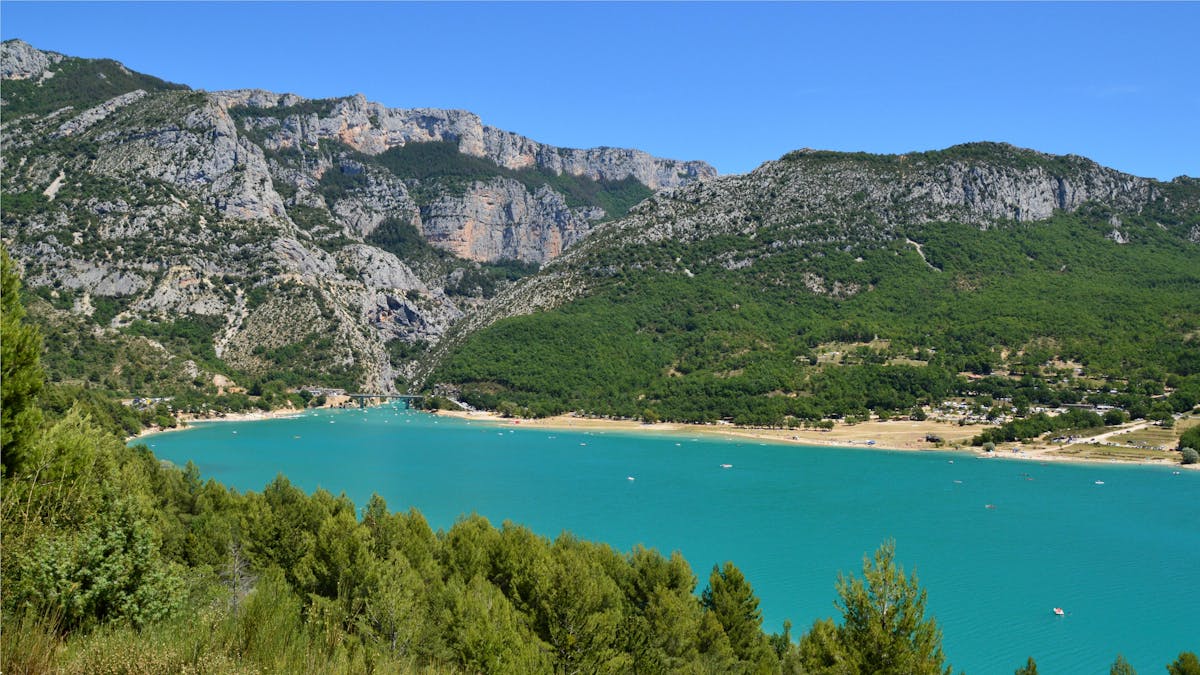
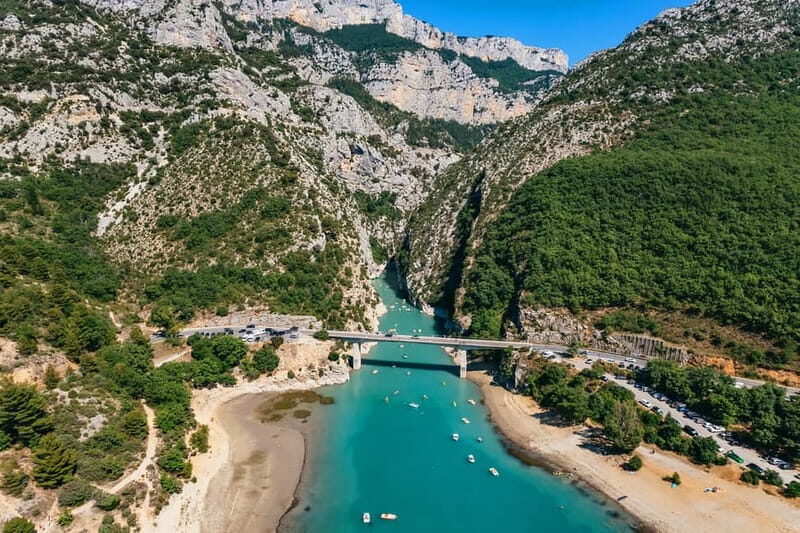
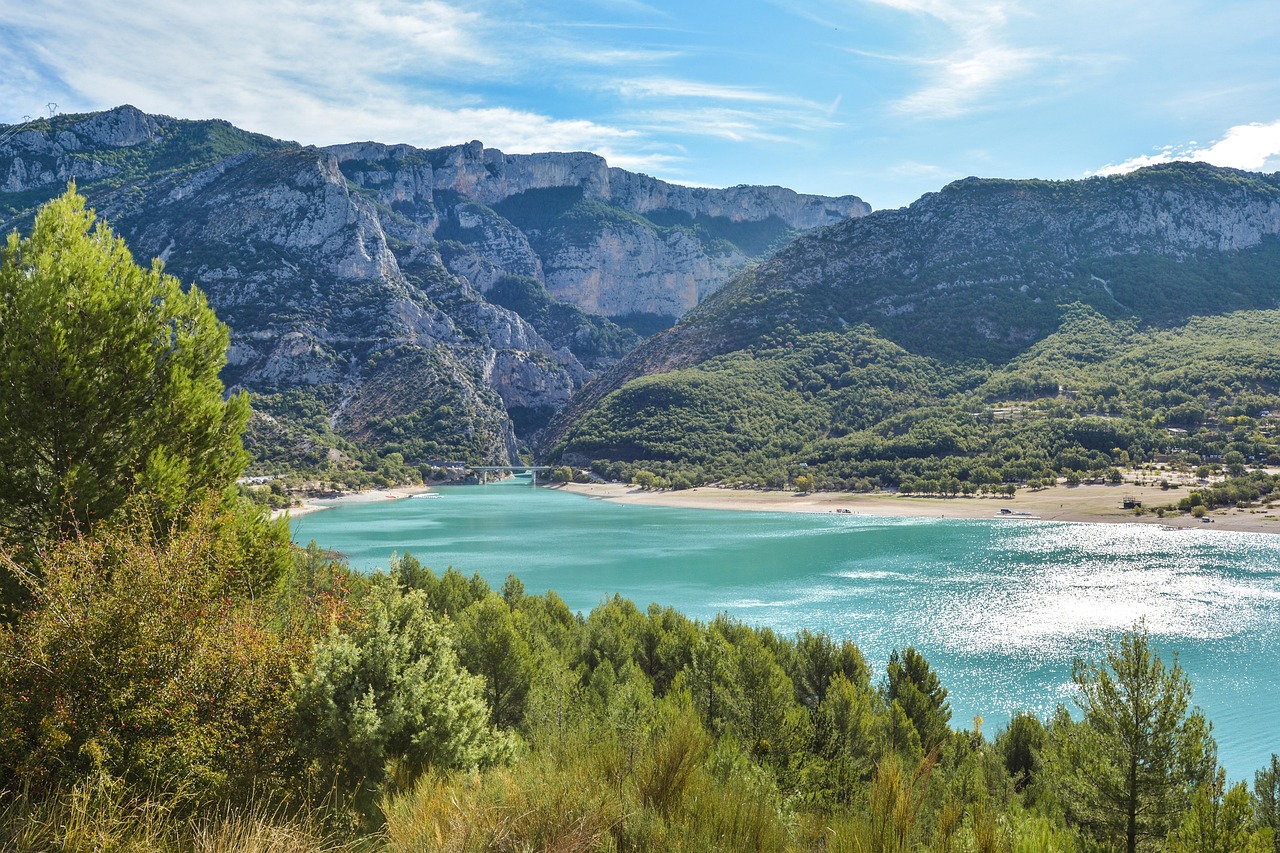
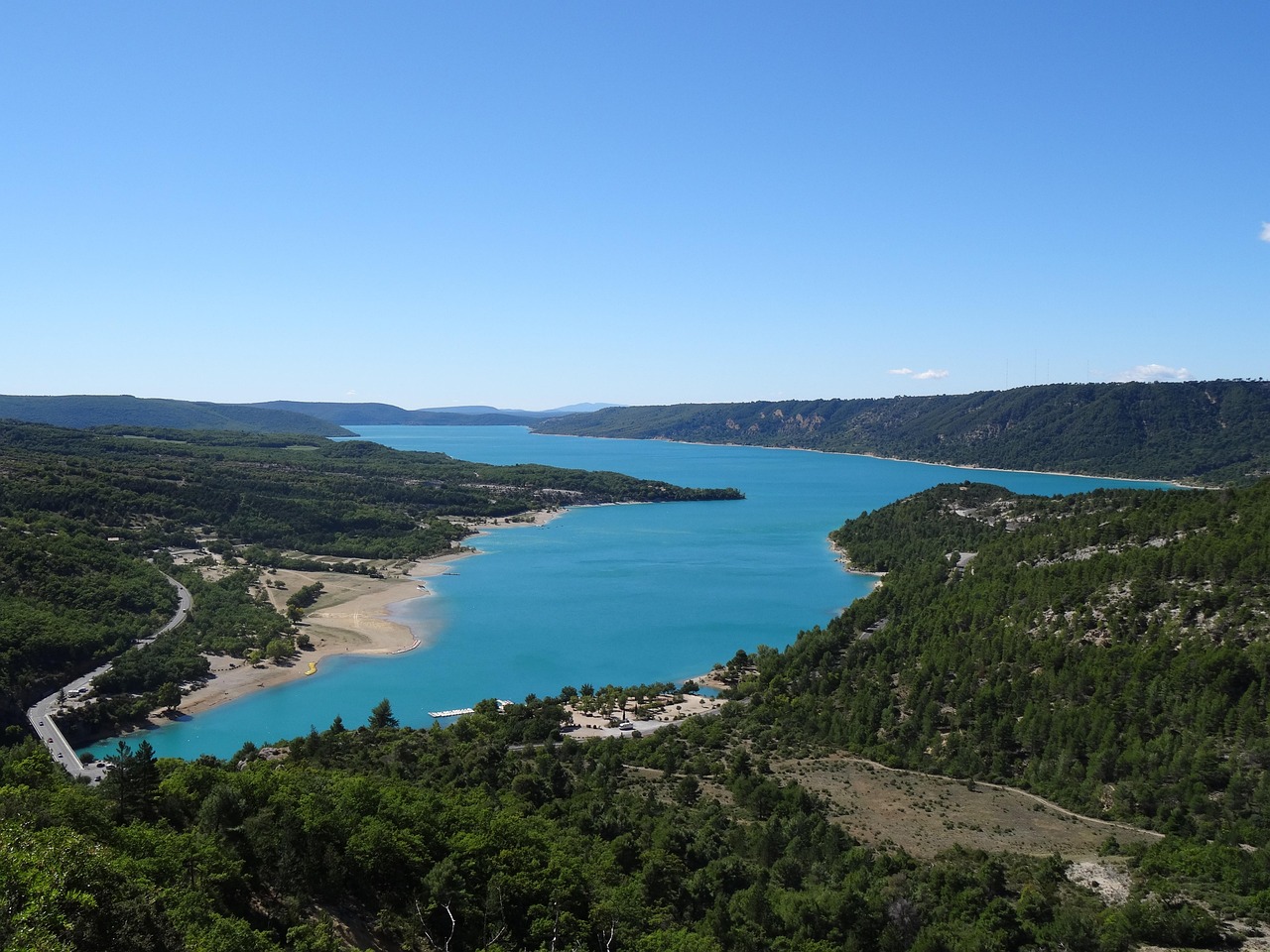
At the western end, the gorge opens up into the Lac de Sainte-Croix, a man-made lake with water so turquoise it looks photoshopped. This is where most visitors end up renting pedal boats or kayaks to paddle into the gorge mouth — more on that below.
Lac de Sainte-Croix and Kayaking the Gorge
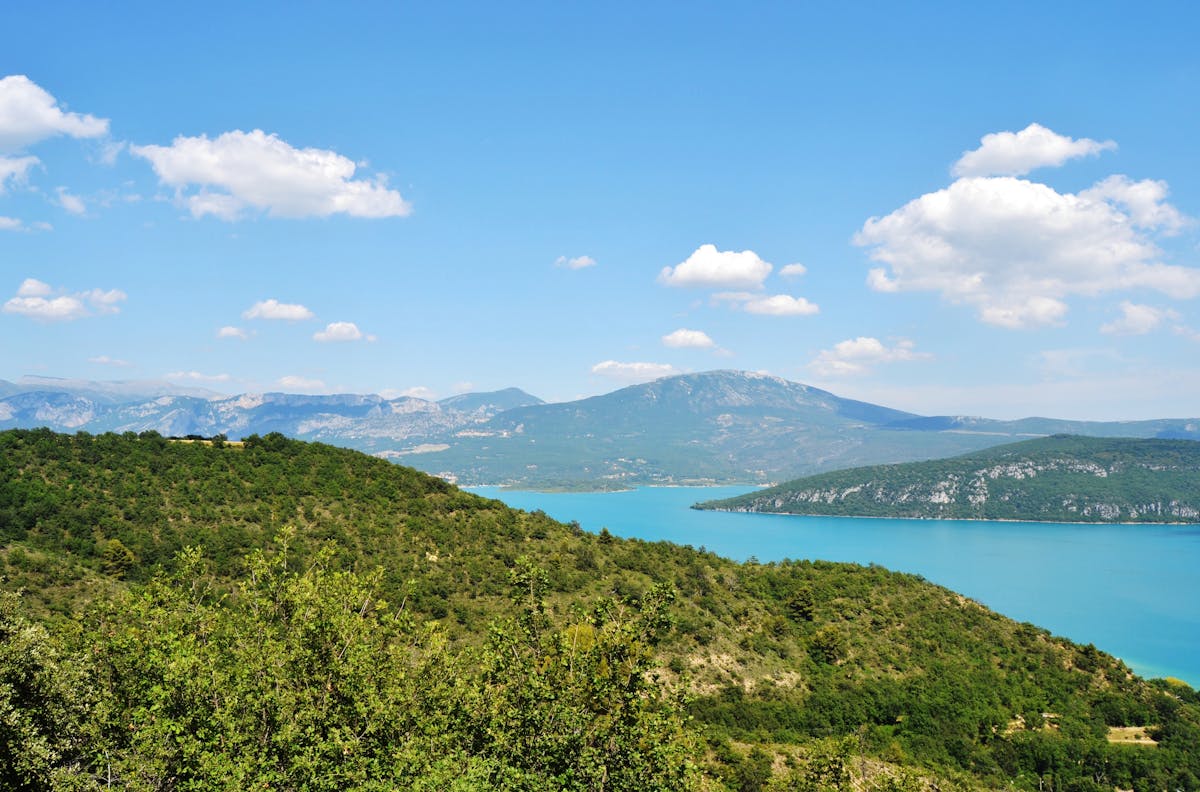
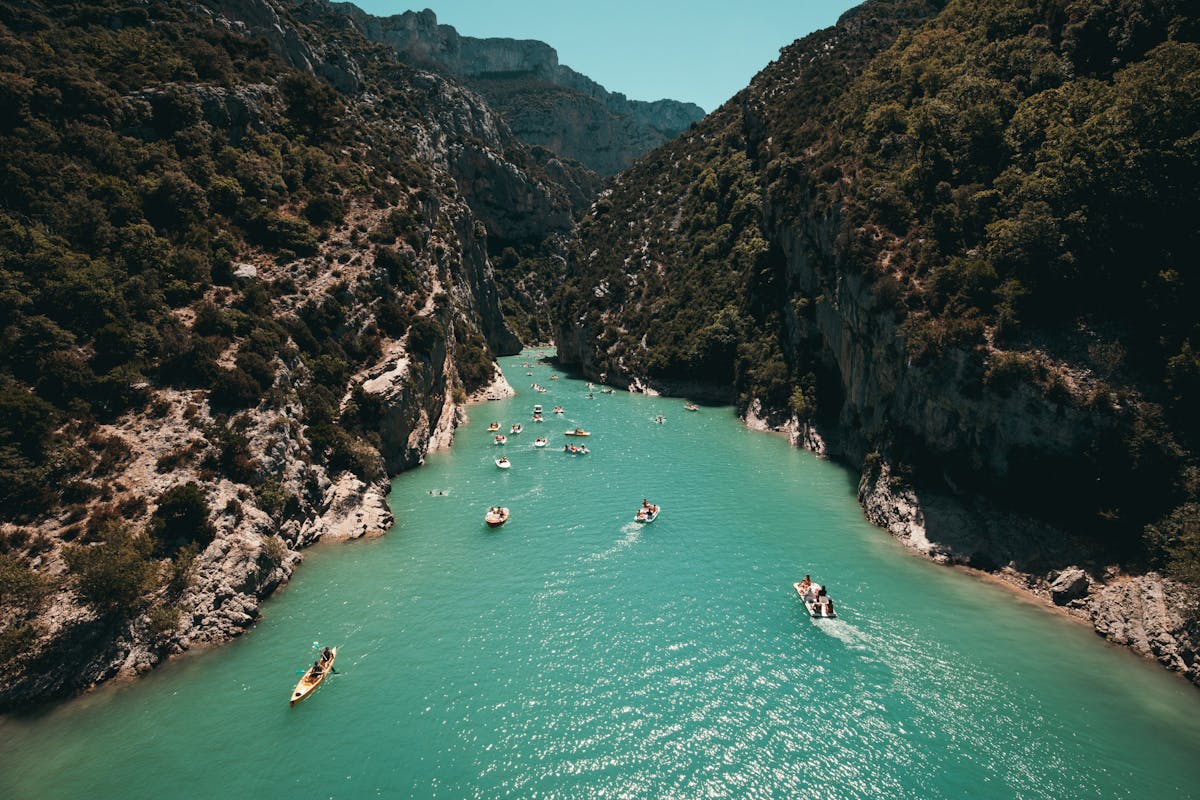
Kayak rental runs about 15-20 euros per person for an hour, which gives you enough time to paddle from the beach into the gorge mouth and back. The first few hundred metres into the canyon are genuinely impressive — the walls rise 300 metres on either side and the water beneath you is so clear you can see every rock on the bottom. It gets busy in high summer. Like, proper traffic jam of pedal boats busy. Early morning or late afternoon is better if you are driving yourself; on a tour, you get what you get.
Swimming is allowed in the lake and it is cold. Not refreshing-cold but proper-gasp-when-you-get-in cold, even in August. The water comes from mountain snowmelt and the gorge keeps it shaded. Pack a towel.
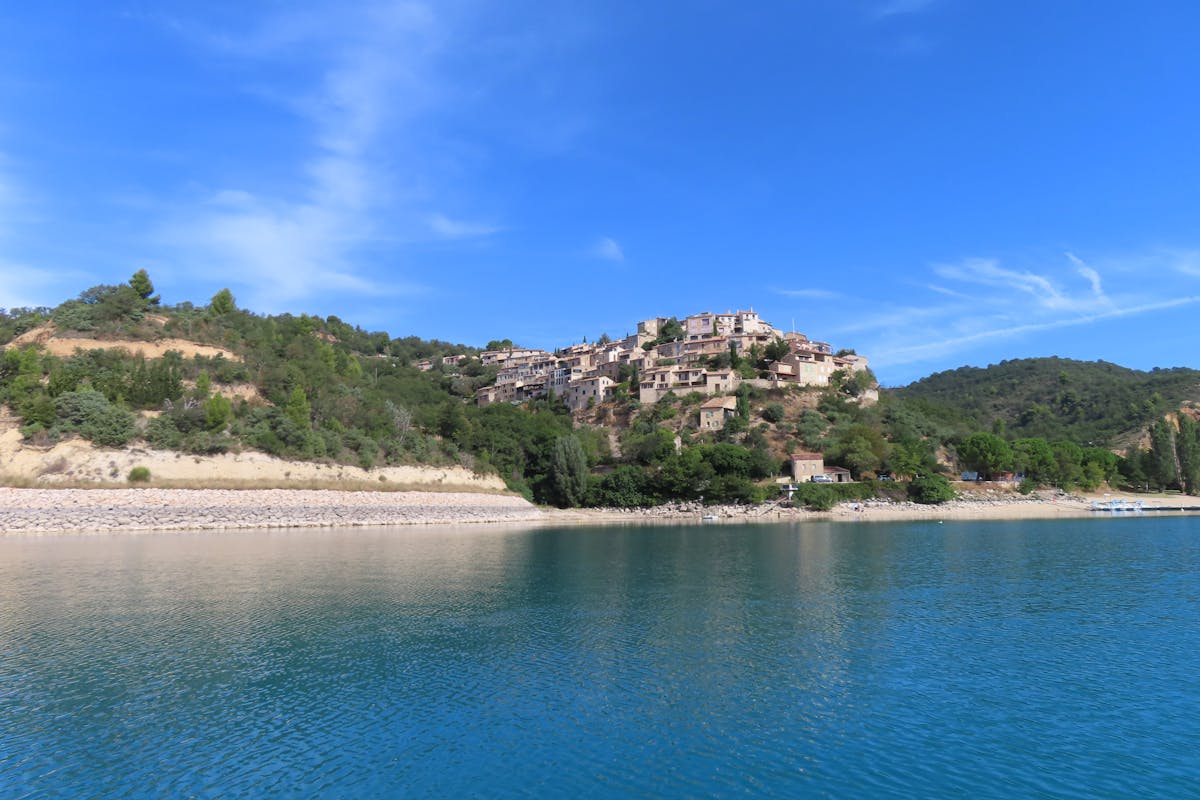
The village of Sainte-Croix-du-Verdon perches above the lake and has a couple of decent restaurants if you want to sit down for lunch with a view. Nothing fancy — think grilled meats, salads nicoise, and local rose wine for 15-20 euros a plate.
The Lavender Fields of Valensole
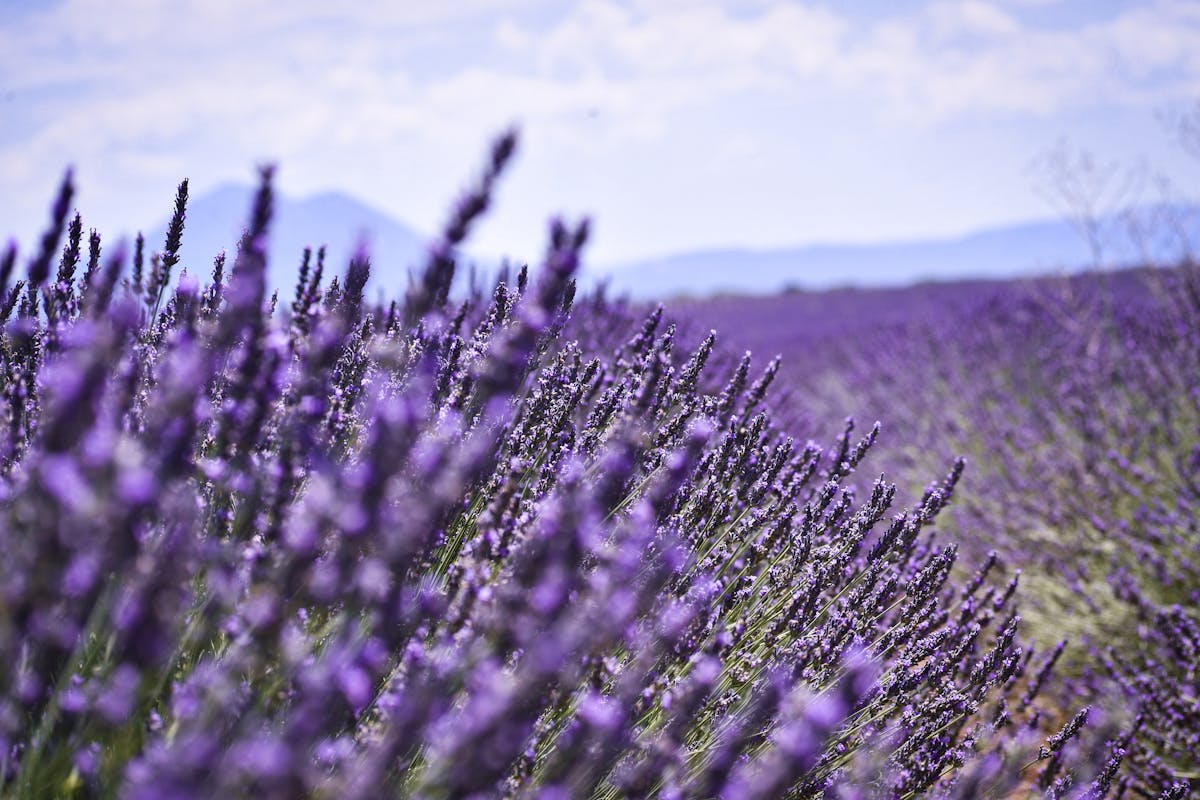
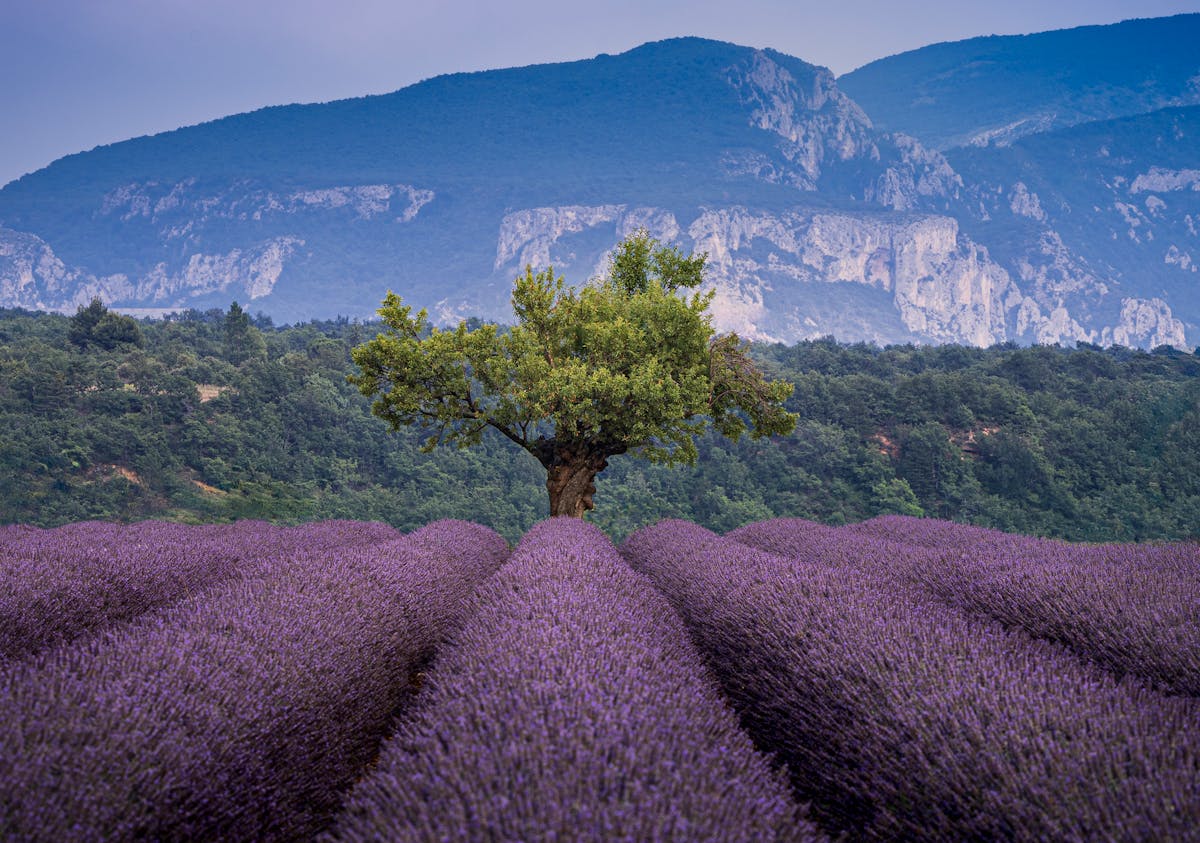
A few things worth knowing before you go.
Timing is everything. The bloom peaks in the first two weeks of July. By late July the harvest starts, and by mid-August most fields are cut. Showing up in September expecting purple fields will disappoint you — all you will see is brown stubble and the occasional tractor. Some tours still advertise “lavender fields” outside the season, which reviewers have justifiably complained about.
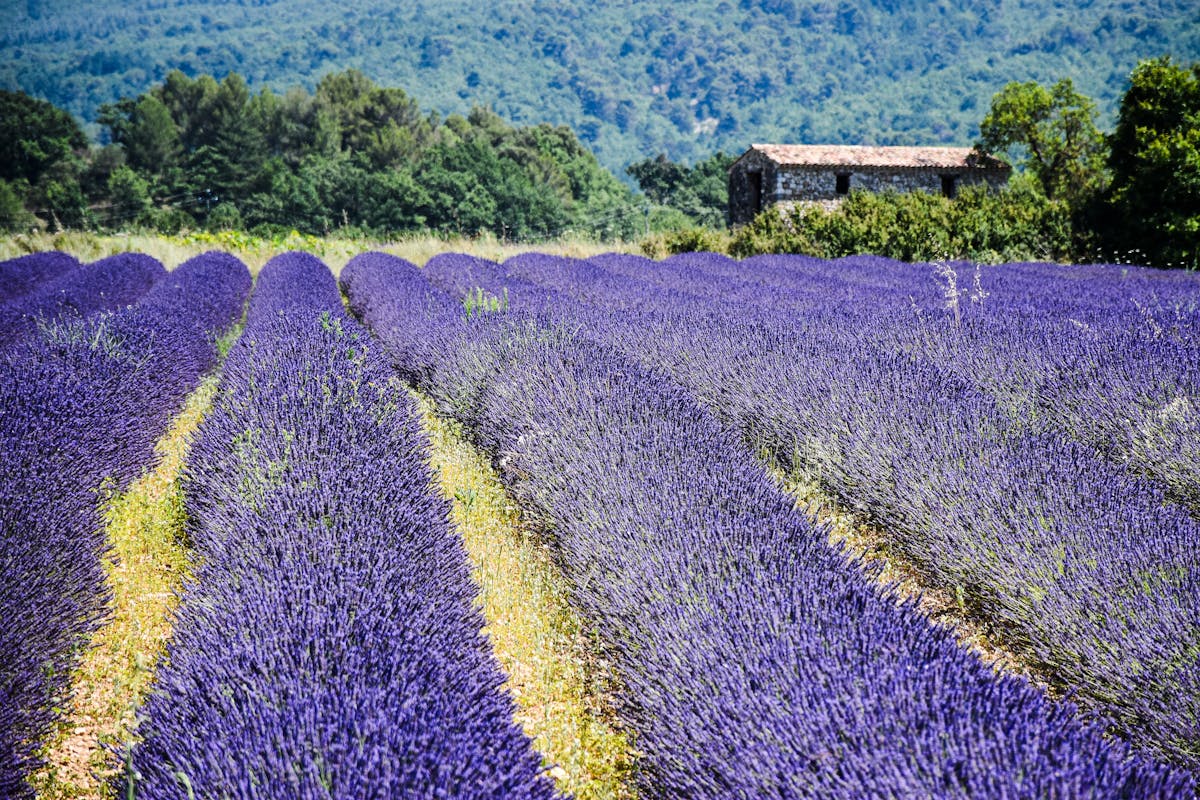
The fields are private property. You can photograph from the road edge, but walking deep into someone’s crop is not appreciated. A few farm owners near Valensole town have set up designated photo areas (some free, some charging 2-3 euros) where you can walk between rows without damaging the plants. Look for signs saying “Champ de lavande — photos autorisees.”
Valensole town itself has a handful of shops selling lavender products — soap, oil, honey, sachets. The honey is the real prize. It crystallises differently from regular honey and has a flavour that is distinctly floral without being perfumey. Expect to pay 18-22 euros for a jar. The lavender ice cream from the shops on the main square is good but more of a novelty.
Moustiers-Sainte-Marie — The Village with a Star
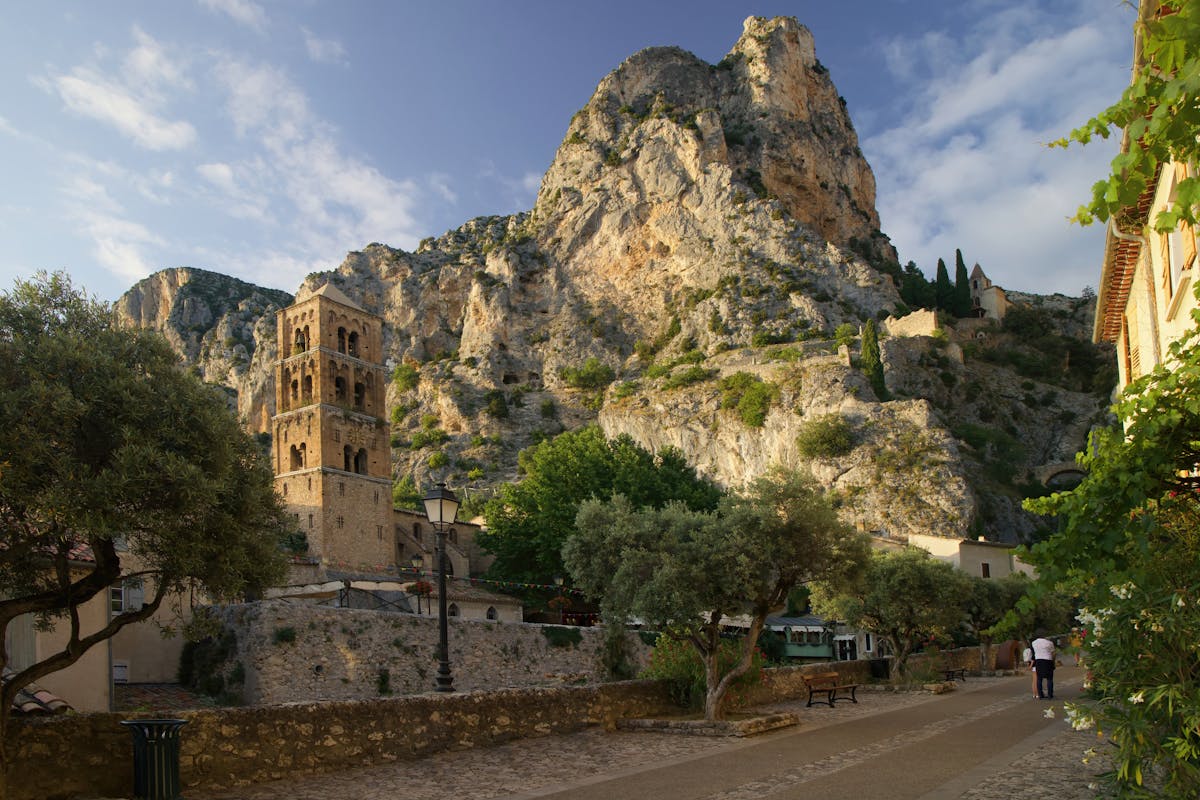
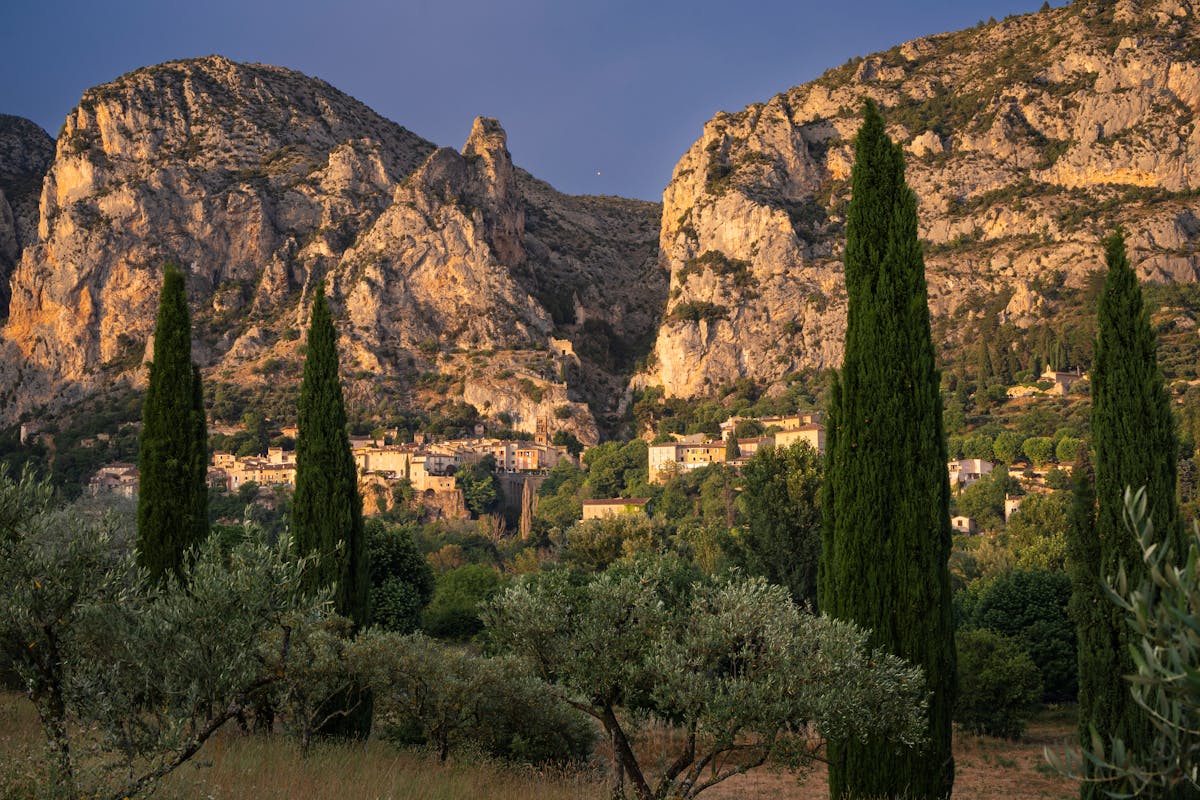
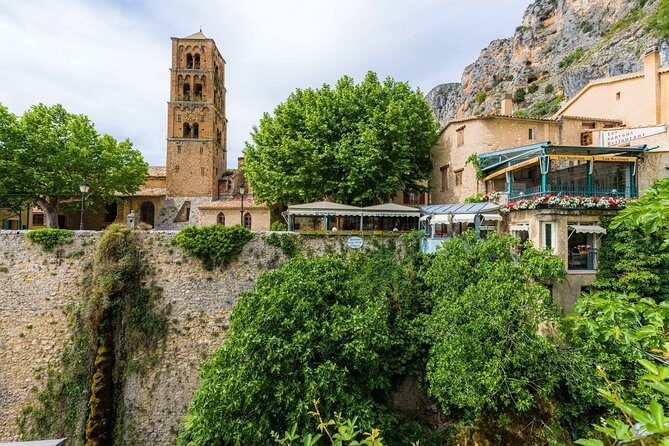
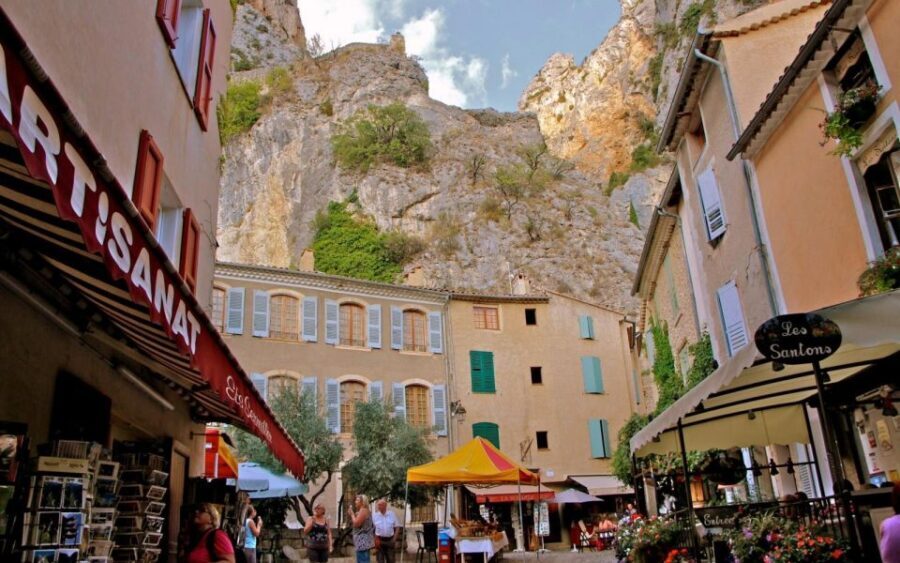
The golden star between the cliffs is the famous feature. Legend says a Crusader knight named Blacas hung it there in gratitude after being released from Saracen captivity. The chain stretching between the two cliff faces is 227 metres long, and the star has been replaced several times over the centuries — the current one dates from 1957. You can see it from the village square if you know where to look (straight up, between the cliff peaks, glinting in the sun).
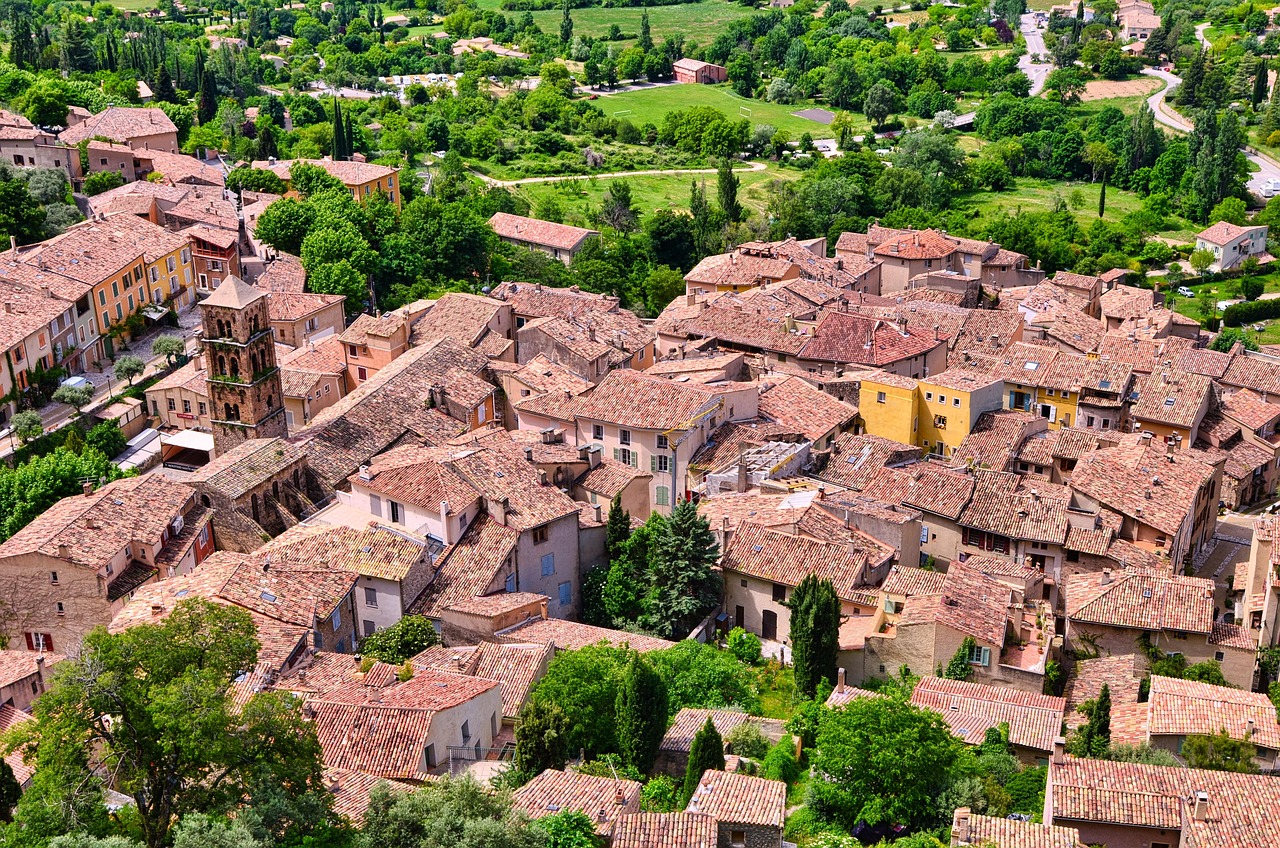
Moustiers is also known for faience — hand-painted glazed pottery that has been produced here since the 17th century. The workshops along the main street sell everything from full dinner sets to small tiles, and watching the artisans paint is free. Prices start around 15 euros for a small plate and climb steeply from there.
Practical note: The village gets packed between 11am and 2pm when the tour buses arrive. If you are driving yourself, come early or late. The restaurants along the river are decent but charge tourist prices — figure 18-25 euros for a main course.
The Best Gorges du Verdon Tours from Nice
1. Gorges of Verdon and Fields of Lavender Tour — $129
At $129 per person, it sits in the sweet spot — not budget, but you are getting a full day with a knowledgeable guide, comfortable transport, and stops at the highlights most people come to Provence to see. The guides on this tour consistently get praised for going beyond the standard script, pointing out geological details and local stories that you would never pick up on your own.
One honest caveat: outside lavender season (roughly mid-June to early August), the Valensole stop is less impressive. The fields are there but green or harvested. If you are visiting in September or later, consider the gorge-focused tours below instead.
2. Gorges du Verdon Shared Tour from Nice — $151
At $151 it costs a bit more than the combined tour, which might seem counterintuitive since it covers less ground. But the extra time at each stop makes a difference. You actually have 20-30 minutes at viewpoints instead of the grab-a-photo-and-go pace of busier tours. The lake stop is also longer, giving you proper time to kayak into the gorge rather than just dipping your toes in.
This is the better pick if you are visiting outside lavender season or if you have already seen the Valensole fields on a separate trip. Several reviewers noted that the smaller group size (compared to the big coach tours) made the experience feel more personal.
3. Gorges du Verdon Guided Tour — $163
At $163 per person, this is the most expensive of the Nice-departure options, but the premium is really paying for group size and flexibility. The tour covers the major gorge viewpoints, Moustiers-Sainte-Marie, and the lake, with the route varying slightly based on season and conditions.
Visitors consistently highlight the guides by name in their reviews, which tells you something. When specific guides get called out for being exceptional, the tour company is doing something right with their hiring. If you are the kind of traveller who wants context and stories rather than just photo stops, this is the one.
4. Verdon Gorge Full-Day Tour — $147
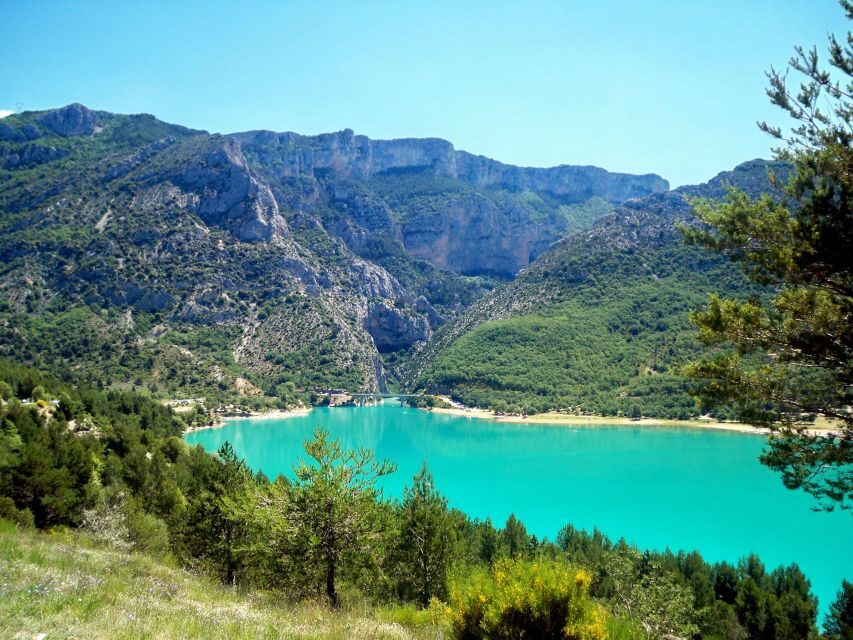
At $147, the price sits comfortably in the middle of the range. You get the core gorge experience — the viewpoints along the rim road, the stop at Moustiers, and free time at the lake — without the lavender field detour. Good value if the canyon is your main draw.
The tour has strong reviews across the board, with visitors particularly noting the quality of the driver-guide and the pace of the day. Nobody felt rushed, but nobody felt like they were killing time at a gift shop either. That balance is harder to get right than it sounds.
5. Canoe and Kayak Rental in the Gorges du Verdon — $20
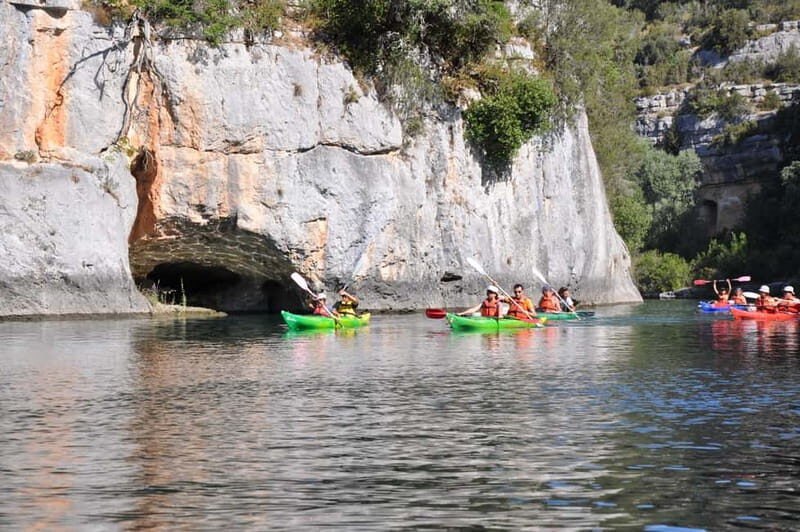
At $20 per person it is spectacularly cheap for what you get. The rental includes the boat, paddle, and life vest, and you paddle at your own pace into the lower gorge. The water is that same insane turquoise, the cliffs rise vertically on both sides, and it is quiet in a way that the rim road viewpoints are not.
The highest-rated activity in the entire Verdon area, with visitors calling it the highlight of their Provence trip. Fair warning: your arms will feel it the next day. The current in the gorge section is gentle but you are paddling against it on the way back.
When to Visit the Gorges du Verdon and Lavender Fields
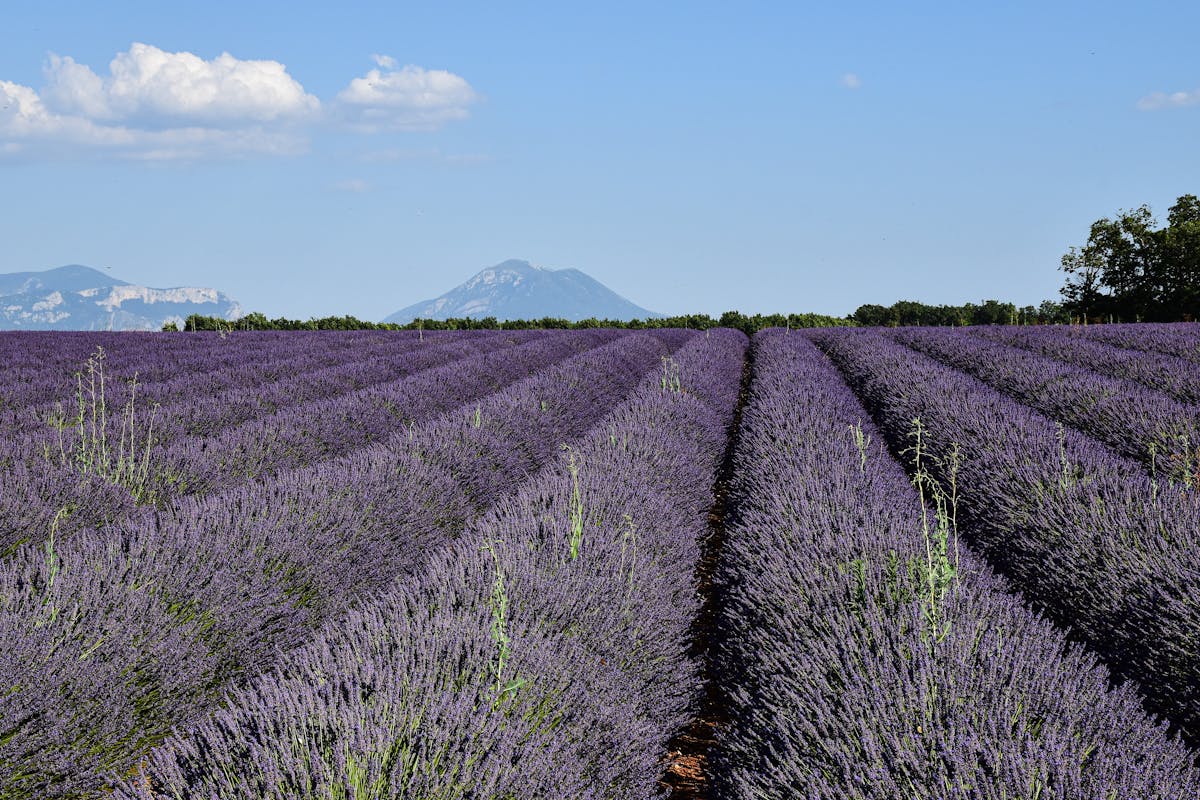
For the lavender fields (Valensole Plateau):
The bloom runs from roughly late June to mid-August, peaking in the first two weeks of July. Harvest usually starts around July 20th and works across the plateau over the following weeks. By mid-August, most fields are cut. Some farms begin as early as July 15th depending on the year and weather.
For the gorge and lake:
The gorge is accessible year-round, but the lake activities (kayaking, swimming, pedal boats) only operate from about April through October. Water temperature is tolerable from June through September. The Route des Cretes is occasionally closed in winter due to ice or rockfall.
For avoiding crowds:
July and August are packed. The Route des Cretes becomes a one-way traffic jam of tour buses on peak summer days. Early June and September offer warm weather, open facilities, and noticeably fewer people. The lavender will not be blooming in September, but the gorge is actually at its best — the light is warmer, the water is still swimmable, and you can actually find parking.
Worst time: November through March. The gorge is stunning in winter (snow on the cliffs, mist in the canyon) but most facilities are closed, kayak rentals are shut, and some of the access roads may be blocked.
Practical Tips That Will Save You Time
Pack water and snacks. There are restaurants at Moustiers and Sainte-Croix-du-Verdon, but the viewpoints along the Route des Cretes have nothing. No cafes, no vending machines, no shade. Just rock and sky and a very long way down.
Wear proper shoes. If you plan to hike even short sections of the trails, sandals will not cut it. The terrain is rocky, steep, and occasionally muddy near the river. Hiking boots or sturdy trail shoes.
Book kayak rentals in advance for July and August. The rental shops at the lake have limited boats and they go fast in peak season. Most allow online booking. Showing up at noon on a Saturday in July without a reservation means you are probably watching other people kayak.
Sunscreen and a hat are non-negotiable. The plateau has zero shade. The gorge rim has minimal shade. The lake reflects sunlight from every direction. People underestimate the Provencal sun because there is usually a breeze, but you will burn.
Cash is useful. Some of the smaller lavender farm shops, parking attendants, and roadside vendors around Valensole are cash-only. ATMs in Moustiers and Sainte-Croix exist but are not abundant.
A Canyon That Stayed Hidden for Centuries
That changed in August 1905 when Edouard-Alfred Martel, already famous for exploring caves across France, arrived with a local schoolteacher named Isidore Blanc and a small team. Over three days, they navigated the entire length of the gorge by boat and on foot, documenting what they found. The expedition was brutal — rapids, rockfalls, narrow passages where the canyon walls closed to just a few metres apart. But Martel’s published account turned the gorge from a local hazard into a national curiosity.
The tourism really picked up after the Route des Cretes was built in the 1940s, making the rim accessible by car for the first time. Before that, seeing the gorge meant either a dangerous descent on foot or peering over the edge from whatever sheep path happened to reach the rim.
The Lac de Sainte-Croix is more recent. The valley was dammed in 1973 to create a reservoir, flooding the village of Salles-sur-Verdon in the process. The residents were relocated to a new village built on higher ground. On very clear days, when the water level drops, locals claim you can see the old church steeple below the surface. It has become one of those stories that everyone tells but nobody has actually photographed.
The lavender story is older. Romans brought lavender cultivation to Provence two thousand years ago, using the plant primarily for bathing and laundry — practical, not decorative. The essential oil industry did not really develop until the 19th century, when Grasse (now famous as the perfume capital) began distilling lavender on an industrial scale. Valensole became the centre of cultivation because the plateau’s altitude, soil, and climate happen to be exactly what lavender wants.
More from the South of France
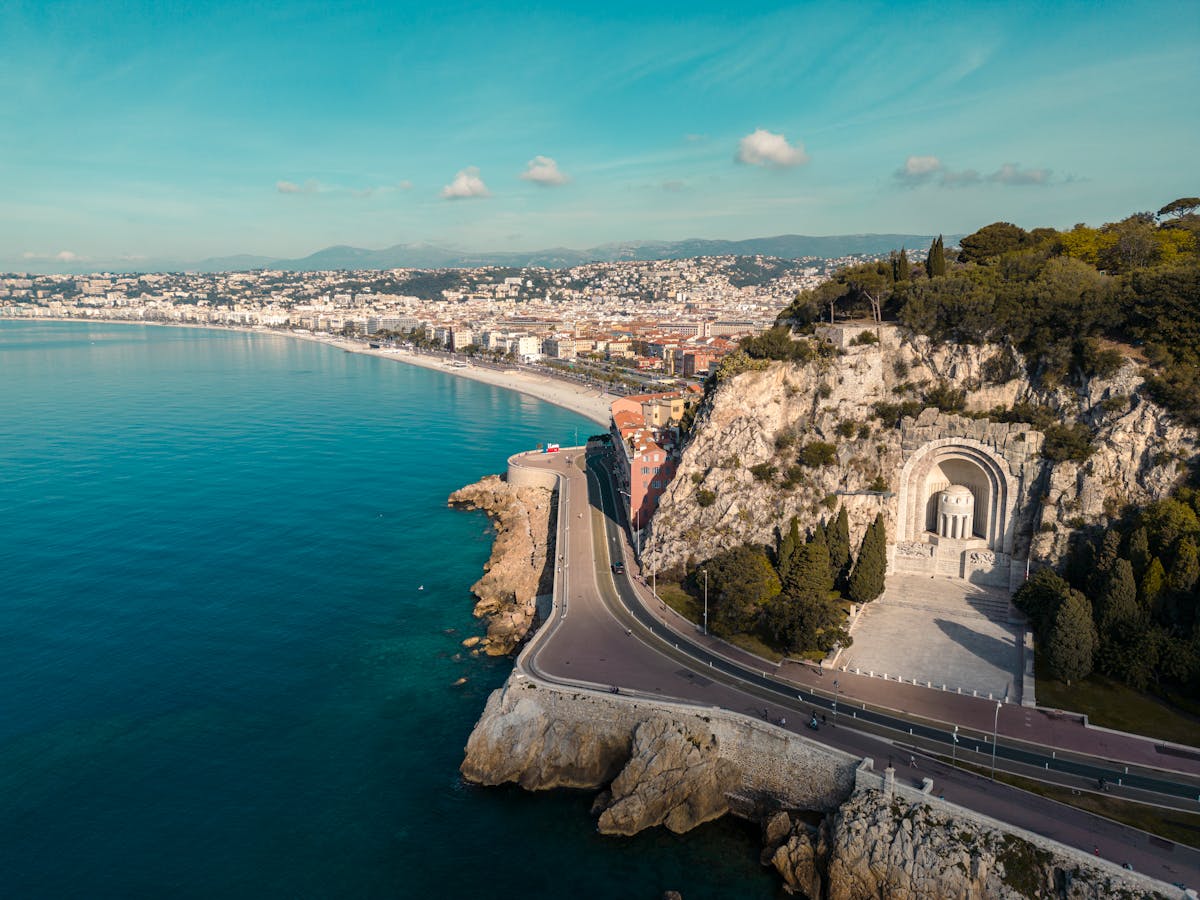
The south of France rewards slow travel. Stay a few days, do one day trip at a time, and spend the afternoons in Nice itself — the old town, the Cours Saleya market, the Promenade des Anglais at sunset. The gorge and the lavender are the headline acts, but Nice is a pretty good show on its own.
This article contains affiliate links. If you book a tour through one of these links, we earn a small commission at no extra cost to you. This helps us keep creating free travel guides.